Top gardeners for Mapesbury Road properties Cricklewood
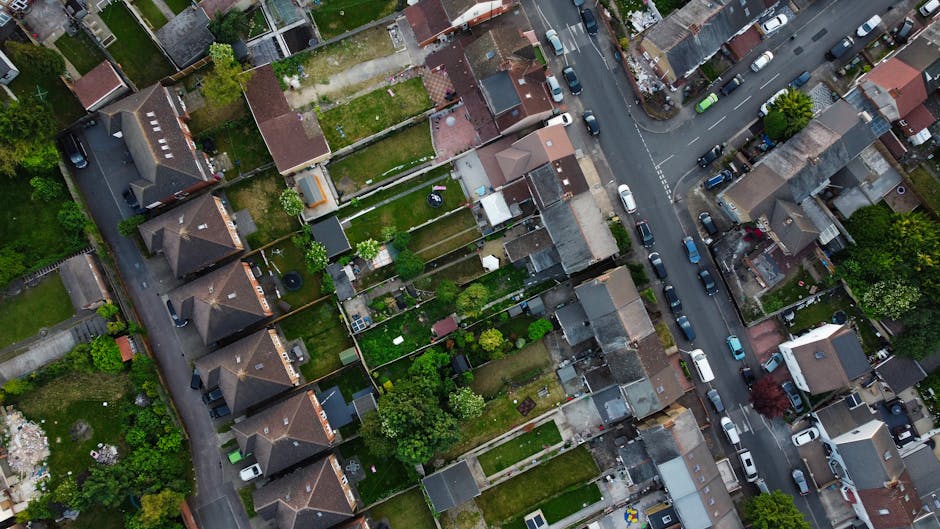
If you live on or near Mapesbury Road and your outdoor space needs proper attention, choosing the right gardener can make a surprisingly big difference. A front garden that looks a bit tired, a back garden that's become more work than pleasure, or a shared outdoor area that needs regular upkeep all need a different approach. The best Top gardeners for Mapesbury Road properties Cricklewood understand local property styles, compact plots, boundary planting, and the practical realities of maintaining gardens in a busy London setting. In this guide, we'll break down what good service looks like, how to compare options, and what to expect if you want reliable results without the hassle.
Mapesbury Road properties often benefit from a gardener who can balance curb appeal with long-term upkeep. That means more than just mowing a lawn now and then. It's about structure, plant health, access, waste removal, seasonal planning, and the little details that stop a garden from becoming a constant chore. Let's get into it.
Why Top gardeners for Mapesbury Road properties Cricklewood Matters
Gardens on streets like Mapesbury Road are often more nuanced than people expect. You may have a neat Victorian frontage, a side return, a narrow rear garden, or a space that has been shaped by years of small changes. That's exactly why choosing from the top gardeners for Mapesbury Road properties Cricklewood matters: the right person doesn't just "do the garden", they read the space properly.
Good gardening support can protect the value and usability of a property. A well-kept outside space makes a home feel cared for. It also tends to make everyday life easier. You notice it when you step outside on a damp morning and the paths are clear, the hedges are tidy, and the beds don't look like they've been left to fend for themselves. Small thing? Maybe. But it adds up.
Cricklewood homes also sit in a part of London where weather exposure, foot traffic, and limited storage space can complicate routine garden care. Equipment needs to be moved carefully, green waste needs to be handled properly, and work often has to be done with consideration for neighbours. The better gardeners are used to this rhythm. They turn up, get on with it, and leave things better than they found them. Simple, but not always common.
Expert summary: The best local gardener for Mapesbury Road is usually the one who understands your garden's layout, your time limits, and the level of finish you actually want. Not every property needs a full redesign. Sometimes it just needs steady, thoughtful care.
How Top gardeners for Mapesbury Road properties Cricklewood Works
In practical terms, a good gardening service starts with assessment. A gardener should look at what is growing, what is overgrown, what is failing, and what needs a seasonal plan rather than a one-off tidy. That first look matters. If someone gives you a quote without really checking the space, that's often a clue.
For Mapesbury Road properties, the process usually follows a fairly familiar pattern:
- Initial visit or discussion to understand the garden's condition and what you want from it.
- Scope of work agreed clearly, whether that means lawn care, hedge trimming, border work, clearance, or ongoing maintenance.
- Scheduling set around the season, access, and how quickly the garden needs attention.
- Work carried out with attention to waste removal, plant health, and tidy finishing.
- Review and ongoing plan if regular maintenance is needed.
Some gardens need more than a quick cut-and-clear. For example, if a hedge has gotten away from you over the winter, the gardener may need to shape it carefully rather than just trim the surface. Or if the lawn has patchy areas, the discussion may shift into feeding, scarifying, reseeding, or simply resetting expectations for what is realistic in the short term. Truth be told, that kind of honest conversation is worth more than a flashy promise.
There is also a difference between reactive work and proactive care. Reactive work is what happens when the space has become a jungle and you need it back under control. Proactive care is the better option for most people, especially if you want the garden to stay pleasant year-round. One is a rescue job. The other is a habit.
Key Benefits and Practical Advantages
When you choose experienced gardeners for a local property, the benefits are practical rather than abstract. You should notice them in the first few visits.
- Better presentation: A clean, well-shaped garden improves the look of the whole property, especially from the street.
- Less weekend burden: You get your time back instead of spending every spare hour cutting, sweeping, and battling weeds.
- Healthier plants: Proper pruning, feeding, and seasonal care reduce the chance of weak growth and preventable damage.
- Safer outdoor space: Regular clearing reduces slippery paths, hidden trip hazards, and clutter around access points.
- Consistent upkeep: Small jobs handled regularly are almost always easier and cheaper than large neglected jobs later on.
- Better use of space: A thoughtful gardener can make a compact garden feel much bigger and more usable. Funny how a little structure changes everything.
There's also a quieter benefit that people overlook. A garden that is under control tends to feel calmer. You see it in the way a patio looks after a pressure-free tidy-up, or the way a border suddenly frames the house instead of hiding it. The change is emotional as much as visual. Not dramatic, but real.
If you are thinking longer term, good maintenance can also support landscape improvements later. For example, a tidy and healthy base makes future projects like landscape gardening easier to plan and execute. Likewise, if your property has hard landscaping elements or a seating area, the quality of the surrounding planting and surfaces matters just as much as the feature itself.
Who This Is For and When It Makes Sense
Not every household needs the same level of gardening support. Some people want a regular tidy-up. Others need help recovering a garden that has been neglected for a season or two. The right level of service depends on how you use the space and how much control you want over the upkeep.
This kind of service makes particular sense for:
- busy professionals who do not have time for consistent garden upkeep
- families who want a safe, neat outdoor area without the weekend workload
- older homeowners who prefer support with heavier or repetitive tasks
- landlords or property managers who need outdoor areas kept presentable
- people preparing to sell or let a home and wanting better first impressions
- owners of properties with hedges, lawns, mixed borders, or awkward access
It also makes sense after a seasonal transition. Spring and early summer are obvious times, but late autumn can be just as important. Leaves, pruning, and final tidy-ups help stop the garden from going into winter in a messy state. In January, when everything is a bit grey and the bins are full and the paths are slick, you really notice whether the garden was looked after or not.
If you are still deciding, ask yourself two questions: do I want the garden to simply survive, or do I want it to look genuinely cared for? And am I looking for a one-off rescue, or a steady maintenance relationship? The answers narrow things down quickly.
Step-by-Step Guidance
If you want to choose well, it helps to follow a simple process. Not fancy, just sensible.
- Look at the actual condition of the garden. Make a quick note of lawns, hedges, weeds, borders, sheds, access points, and any areas that feel neglected.
- Decide what outcome matters most. Is your priority neatness, plant health, safety, privacy, or a full transformation?
- Check what type of service you need. A one-off garden clearance is different from regular maintenance or landscaping support.
- Ask about experience with similar homes. A gardener used to larger suburban plots may not approach a compact London property in the same way.
- Request a clear scope. You want to know what is included, what is not, and how extra work is handled.
- Confirm waste removal and finishing. A garden can be technically "done" and still look messy if clippings, branches, or soil are left behind.
- Review after the first visit. You will learn a lot from the first job: punctuality, communication, tidiness, and whether the result matches your expectations.
A small but useful tip: take photos before the first visit. Not because you're being suspicious, but because it helps you compare progress honestly. People often forget how overgrown a space was once it has been improved. Memory is funny like that.
If the property needs a deeper reset, a good starting point might be a mix of garden clearance and ongoing garden maintenance. That pairing often works better than trying to jump straight into maintenance on a garden that is still too far gone.
Expert Tips for Better Results
In our experience, the best results usually come from a few simple habits rather than a dramatic overhaul. Here are some practical pointers that make a real difference.
- Prioritise structure first. Clear edges, cut back overgrowth, and make the main lines of the garden visible before worrying about decorative details.
- Don't over-prune in one go. Some plants respond badly to hard cuts, especially if the timing is wrong. A careful gardener will know when to ease off.
- Keep a routine in spring and summer. That's when growth moves fastest, and gardens can slip out of shape almost overnight. Well, not overnight exactly, but you know what I mean.
- Use hedge trimming as a shape tool. A good hedge is more than a boundary. It frames the whole property.
- Ask for seasonal thinking. The right work in March is not always the right work in October.
- Let lawns breathe. Mowing alone is not enough if the grass is compacted, patchy, or starved of light.
Another useful insight: the best gardeners don't just react to what looks messy. They notice why it became messy. Is there too much shade? Is a hedge blocking light? Is the soil tired? Is water pooling in one corner? Those observations save time and money later.
For some properties, especially if privacy or screening matters, careful hedge trimming is one of the highest-value tasks you can book. If the outdoor space also includes a lawn, regular lawn mowing keeps the whole garden looking intentional rather than half-finished.
Common Mistakes to Avoid
Most garden problems on residential streets do not come from one huge mistake. They come from several small ones piling up. A few are especially common.
- Choosing on price alone: The cheapest quote can become expensive if the work is rushed or poorly judged.
- Being vague about the brief: "Just tidy it up" is not always enough. Be specific about what matters most.
- Ignoring access and waste: If nobody has planned for clippings, branches, or awkward side access, the job can become messy very quickly.
- Overlooking seasonal timing: Some tasks are best done at specific times of year, and poor timing can stress plants.
- Expecting a one-off visit to solve everything: A neglected garden often needs a reset first, then maintenance after that.
- Forgetting the bigger picture: A neat lawn does not help much if the path is slippery, the borders are collapsing, or the trees need attention.
And yes, sometimes people ask for "low maintenance" but actually want "no maintenance whatsoever". Lovely dream. Not really how gardens work, though.
One more thing: avoid letting the garden get too far ahead of you between visits. Once growth takes over, the work becomes heavier and more expensive. Regular care is boring in the best possible way.
Tools, Resources and Recommendations
Good gardening services rely on the right equipment, but the best results come from using tools appropriately rather than aggressively. A professional gardener will usually bring the basics for pruning, mowing, cutting back, edging, clearing, and tidying.
Useful services and support pages to explore on the site include:
- services overview for a broader view of what is available
- regular garden maintenance for ongoing care
- garden clearance for overgrown or neglected spaces
- lawn mowing if the grass needs proper routine attention
- tree lopping and removal where larger growth is affecting light, safety, or access
- recycling and sustainability if waste handling and greener disposal matter to you
It can also help to think in terms of categories rather than individual jobs. For example, a property may need one-off structural work now, then seasonal maintenance later. Or it may need a mix of hedge work, lawn care, and light landscaping to get back into balance. That kind of plan is usually better than piecemeal fixes.
If you're comparing options, ask what tools are used for fine pruning, what happens with green waste, and whether they can handle awkward jobs without leaving the place looking half-finished. Not glamorous questions, but useful ones.
Law, Compliance, Standards, or Best Practice
Garden work in the UK is usually straightforward, but there are still sensible standards to keep in mind. The safest approach is to use professionals who work carefully, communicate clearly, and follow recognised health and safety practices. That matters more than people think, especially where ladders, cutting tools, heavy branches, or waste handling are involved.
For residential work, best practice normally includes:
- using equipment safely and maintaining it properly
- protecting property surfaces and nearby planting where practical
- managing waste in a tidy, lawful, and responsible way
- being clear about access, boundaries, and what is included in the job
- working with appropriate insurance and sensible site procedures
If a garden includes trees with significant height, near boundaries, or close to structures, more caution is sensible. Not every tall branch needs urgent action, but anything that could affect safety or access should be assessed carefully rather than guessed at. That's the plain truth.
If you want extra confidence, look for pages that explain the company's approach to health and safety and insurance and safety. Those details may feel dry, but they tell you a lot about how seriously a team treats the work. On a practical level, they also matter when jobs get slightly messy, which they sometimes do.
One more best-practice point: if you are planning visible changes close to the front of a property, think about neighbours, access, and timing. A sensible gardener keeps disruption low and leaves the area looking tidy at the end of the day.
Options, Methods, or Comparison Table
Different properties need different approaches. Here's a simple comparison to help you decide what kind of support makes sense.
| Option | Best for | Typical benefits | Watch-outs |
|---|---|---|---|
| One-off tidy-up | Gardens that have drifted out of shape | Fast visual improvement, easier to reset the space | May not stay neat for long without follow-up |
| Regular maintenance | Homes that need ongoing care | Consistent appearance, fewer big jobs later | Requires commitment to a schedule |
| Clearance first, maintenance second | Overgrown or neglected gardens | Best way to bring a space back under control | Takes more effort up front |
| Targeted specialist work | Hedges, lawns, trees, or structural garden issues | Better results for tricky areas | May need different visits or extra planning |
For many Mapesbury Road homes, the mixed approach is the smartest one. Start with the highest-priority problem, then build a routine around it. That can mean a combination of clearance, hedge trimming, and ongoing lawn care, rather than trying to fix everything in one heroic afternoon. Heroic is overrated anyway.
Case Study or Real-World Example
Here's a realistic example from the sort of property many people in this area recognise. A homeowner had a front garden with a tired lawn, a hedge that had started leaning into the path, and a rear space where weeds had taken over the borders. Nothing dramatic, but it looked neglected and felt awkward to use.
The first visit focused on the essentials: cutting back the hedge carefully, clearing dead growth from the beds, removing debris, and tidying the lawn edges so the space had shape again. No fancy redesign, no unnecessary extras. Just a proper reset.
On the second visit, the gardener tackled maintenance: mowing, edging, light weeding, and a check on what was still growing well. A few plants were left in place because they were healthy and suited the conditions. That matters. Replacing everything is not always the answer, despite what some people assume when they see a messy patch.
By the end, the property looked calmer and more presentable. More importantly, the owner had a routine they could actually keep up with. That's the bit that often gets missed. A garden improvement is only useful if it can be maintained without becoming another source of stress.
There was also a little emotional shift. The owner stopped avoiding the back door. That sounds small, but you'd be surprised how often that happens. When the garden feels manageable again, the whole house feels lighter.
Practical Checklist
Use this checklist before booking or when reviewing a gardener's work. It keeps the conversation grounded.
- Do they understand the layout and condition of your specific garden?
- Have you agreed whether the job is one-off, regular, or a combination?
- Is the scope of work clear enough to avoid confusion?
- Have you discussed hedge work, lawn care, clearance, or any specialist tasks?
- Do you know what happens with waste and green clippings?
- Have you checked whether access points, side passages, or parking create any issues?
- Are health and safety practices handled sensibly?
- Do you understand what will be done on the first visit versus later visits?
- Have you set expectations about finish level, timing, and seasonal changes?
- Will the garden be left tidy enough to use straight away?
Quick reality check: if a gardener can explain their plan clearly in plain English, that is usually a very good sign. If everything sounds vague, it probably is.
Conclusion
Finding the top gardeners for Mapesbury Road properties Cricklewood is really about fit. The right gardener understands the scale of London gardens, the importance of tidy presentation, and the need for practical, steady work that makes life easier rather than busier. Whether you need a one-off clear-up, regular maintenance, or help shaping a garden that has got a bit away from you, the best results come from clear expectations and consistent care.
Look for experience, sensible communication, and a service that matches the real needs of your property. Do that, and your outdoor space stops being a problem area and starts becoming a part of the home you actually enjoy using. That's a nice change, and honestly, one worth making.
If you're ready to move from "it really needs sorting" to "that looks much better", the next step is simple.
Get a free quote today and see how much you can save.
Frequently Asked Questions
What should I look for in a gardener for a Mapesbury Road property?
Look for someone who understands local property layouts, offers clear communication, and can handle the type of work your garden actually needs. Experience with London gardens is especially useful because access, space, and maintenance routines can be quite different from larger suburban plots.
Is regular garden maintenance better than one-off visits?
Usually, yes, if you want the garden to stay neat rather than being repeatedly rescued. One-off visits are useful for a reset, but regular maintenance is better for keeping lawns, hedges, and borders under control over time.
How often should a garden in Cricklewood be maintained?
It depends on the garden, the season, and how fast things grow. In spring and summer, some gardens need attention more frequently. In quieter months, less often may be fine. The key is to avoid letting growth run away with itself.
What if my garden is badly overgrown?
That's usually where garden clearance comes in first. Once the space is back under control, it can move into a maintenance routine. Trying to jump straight into regular upkeep without a proper reset can leave the work half done.
Do I need hedge trimming if the hedge still looks okay?
If the hedge is starting to block light, press into paths, or lose its shape, trimming is worth considering before it becomes a bigger job. A light, timely trim is usually easier than a heavy correction later on.
Can gardeners help improve the look of the front of my house as well?
Absolutely. Front gardens often have the biggest impact on first impressions. A tidy lawn, clean edges, and well-shaped planting can make a property look much more cared for without major changes.
What should be included in a garden quote?
A clear quote should explain what work is included, whether waste removal is covered, and if there are any limits or extra charges. If it is too vague, ask for more detail. That's not being difficult; it's just sensible.
Are tree lopping and removal always necessary?
No. Trees should be assessed carefully, and not every tree needs major work. Sometimes light pruning is enough, while other situations need more attention for safety, light, or access. A careful review is better than guessing.
How do I know if a gardener is reliable?
Punctuality, clear explanations, tidy work, and consistency are all good signs. If they answer questions directly and seem to understand the space rather than just offering a generic service, that usually speaks volumes.
What is the difference between landscaping and garden maintenance?
Maintenance keeps a garden healthy and tidy. Landscaping is more about changing the structure or design of the space. A garden might need both, but they are not the same thing and shouldn't be treated as such.
Is waste removal part of the job?
Often it is, but not always in the same way, so it's worth confirming in advance. Green waste can build up quickly after pruning or clearance, and the garden should be left neat rather than full of piles that you have to deal with later.
What is the best time of year to book garden work?
Spring is popular because growth starts quickly, but autumn can also be very useful for clearing and preparing a garden for winter. The best time is really when the garden needs it, though seasonal timing can affect what work is most effective.
Can a smaller local garden still benefit from professional help?
Yes, often more than people expect. Small gardens can be fiddly, and that makes regular upkeep just as valuable as it is in larger spaces. A compact garden may need less time, but it still benefits from proper shape and care.
Where can I see the wider services available?
You can look through the services overview to get a better sense of the full range of garden work available, from routine maintenance to larger outdoor improvements.
And if you're still weighing things up, that's fine too. Good garden decisions are rarely rushed. Better to choose well once than keep fixing the same problem again and again. A good garden has a way of paying you back quietly, every single day.